
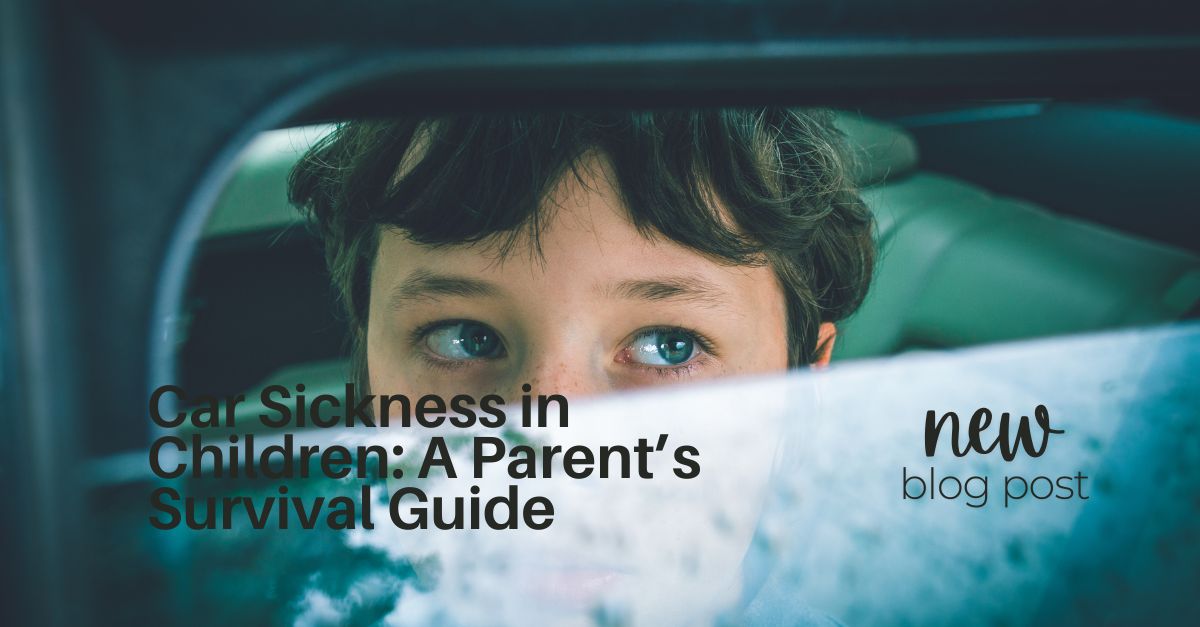
You’ve packed the snacks, mapped the route, and curated the perfect family playlist. The road trip is off to a flawless start—until a little voice from the back seat says those dreaded words: “My tummy hurts.”
A few minutes later, you are pulled over on the side of the highway, digging through the trunk for baby wipes and a change of clothes.
Car sickness in children is incredibly common, peaking in kids between the ages of 2 and 12. It can turn a fun family vacation or a simple drive to school into a stressful ordeal. But you don’t have to dread every car ride. Here is a fact-based survival guide to understanding why your child gets car sick, how to prevent it, and the safest drug-free remedies to keep the journey smooth.
Why Do Kids Get Car Sick?
Car sickness is a form of motion sickness. It happens when the brain receives conflicting information from the body’s motion-sensing organs: the eyes, the inner ear (vestibular system), and the nerves in the joints and muscles.
When a child is sitting in the back seat staring at a tablet, reading a book, or looking at the seat in front of them, their eyes tell their brain: “We are sitting still.” However, their inner ear feels the car accelerating, braking, and turning, telling the brain: “We are moving fast.”
This sensory mismatch confuses the central nervous system. Believing the body is hallucinating (a biological sign of poisoning), the brain triggers a defensive response: nausea, cold sweats, and eventually, vomiting. Children’s nervous systems are still developing, making them highly susceptible to this sensory confusion.
Pre-Trip Prevention: Setting Up for Success
Stopping car sickness starts before you even pull out of the driveway.
-
Time Their Meals: Traveling on a completely empty stomach can cause acid buildup, while a heavy meal can be hard to digest on a bumpy road. Feed your child a light, bland snack—like dry toast, a banana, or plain crackers—about 45 minutes before departure.
-
Optimize Seating: If your child is old enough and meets the height/weight requirements for a front-facing seat, position them in the middle of the back seat. This gives them a clear, unobstructed view out the front windshield.
-
Ban the Screens: Tablets, smartphones, and books are the ultimate triggers for car sickness. Lock the screens away and encourage them to look out the window at the horizon, play “I Spy,” or listen to an audiobook instead.
The Ultimate Drug-Free Remedy: The Pisix Band
When a child feels sick, many parents hesitate to give them over-the-counter anti-nausea medications like Dramamine. These drugs often cause severe drowsiness, leaving kids groggy, cranky, and completely wiped out for the rest of the day.
For a safe, highly effective alternative, the Pisix Band is a must-have for your glovebox.
The Pisix Band is a drug-free, soft cotton wristband that utilizes ancient acupressure to stop nausea in its tracks. It features a small stud that applies gentle, continuous pressure to the Nei-Kuan (P6) acupressure point on your child’s inner forearm. Stimulating this exact point intercepts the nausea signals traveling from the brain to the stomach.
Why It’s Perfect for Kids:
-
Zero Chemicals or Drowsiness: Because it relies entirely on acupressure, there are no drugs involved. Your child stays alert, happy, and symptom-free.
-
Instant Relief: You can slip the comfortable bands onto their wrists right as they get in the car to prevent sickness entirely, or put them on the moment they complain of an upset stomach for rapid relief.
-
Kid-Friendly Comfort: The stretchable, universal fit works comfortably on smaller wrists without cutting off circulation, and they are completely reusable for every road trip, boat ride, or flight.
In-Car Tactics to Cool Things Down
If your child starts looking pale, yawning excessively, or complaining of a headache (all early signs of motion sickness), take immediate action:
-
Blast the AC: A sudden drop in temperature can shock the nervous system out of a nausea loop. Point the air conditioning vents directly at your child’s face, or roll down their window to let fresh, cool air rush in.
-
Provide Distractions: Keep their mind off their stomach. Sing songs, tell stories, or have them close their eyes and listen to music.
-
Pull Over: If the nausea is escalating, don’t try to power through it. Pull over safely, let them step outside, walk around for five minutes, and drink a few sips of cold water to reset their equilibrium.
Build a “Just In Case” Cleanup Kit
Even with the best preparation, accidents happen. Keep a dedicated cleanup kit easily accessible in the back seat so you aren’t scrambling in a panic. Include:
-
Large, sealable plastic bags or dedicated vomit bags (emesis bags)
-
Baby wipes and a roll of paper towels
-
A spare set of clothes packed in an easily reachable tote
-
A bottle of water for rinsing their mouth
-
A small towel to place over their lap if they start feeling ill
Conclusion
Car sickness doesn’t have to put the brakes on your family adventures. By understanding the sensory triggers, eliminating screens in the back seat, and keeping a pair of Pisix Bands ready for safe, drug-free relief, you can ensure a peaceful, mess-free journey for everyone.


