
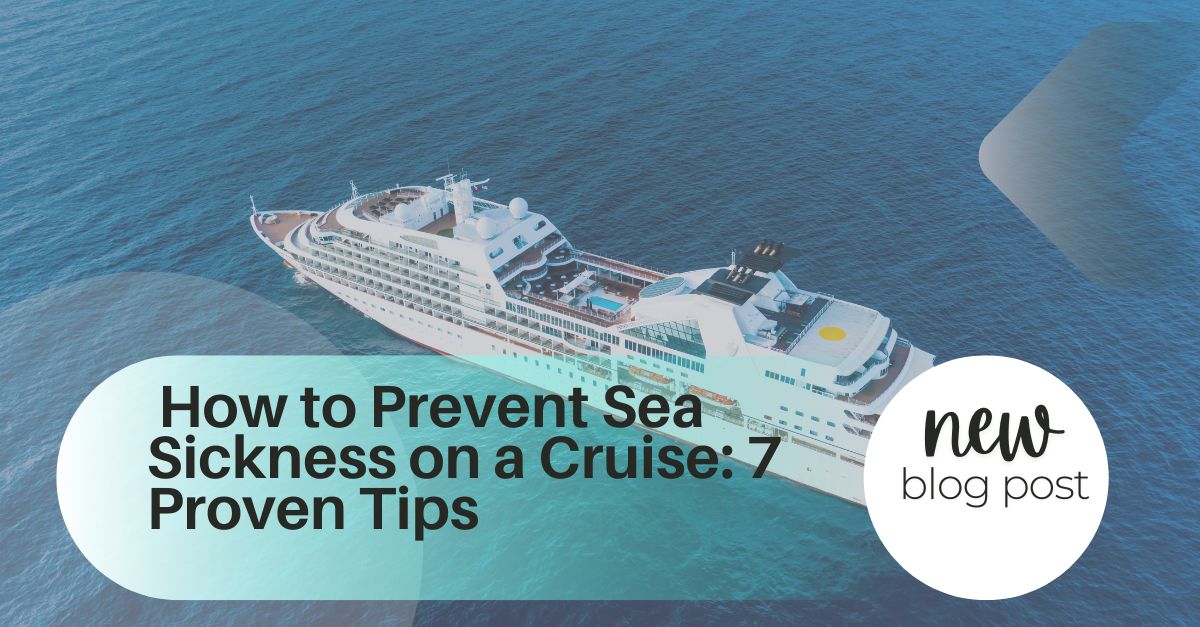
There is nothing quite like the luxury of a cruise—waking up in a new port every day, world-class dining, and endless ocean views. However, for many travelers, the fear of seasickness (mal de mer) is the only thing standing between them and their dream vacation.
The gentle (or sometimes not-so-gentle) rocking of a massive ship can cause a sensory mismatch: your inner ear feels the motion, but your eyes—especially if you’re inside—see a stable room. This conflict leads to the classic symptoms of nausea, dizziness, and fatigue.
The good news? You don’t have to spend your cruise huddled in your cabin. Here are 7 proven tips to prevent seasickness and keep your sea legs strong.
1. Choose Your Cabin Location Wisely
Prevention starts before you even leave the dock. When booking your cruise, the location of your stateroom is the single most important factor for stability.
-
The Mid-Ship Rule: Think of a seesaw—the ends move the most, while the center stays relatively still. Book a cabin on a lower deck in the middle of the ship.
-
Balcony Bonus: Having a private balcony allows you to step outside and look at the horizon, which helps your brain sync your visual and physical balance instantly.
2. Utilize Acupressure Wristbands
If you prefer a drug-free approach with zero side effects, acupressure bands are a cruiser’s best friend.
-
How they work: These bands apply constant pressure to the P6 (Nei-Kuan) point on your inner wrist. This technique has been used for centuries to interrupt nausea signals before they reach the brain.
-
The Benefit: Unlike over-the-counter meds, acupressure bands won’t make you drowsy, so you won’t miss out on the evening shows or excursions.
3. Focus on the Horizon
When you feel a wave of nausea, your instinct might be to lie down and close your eyes. Instead, head to an open deck.
-
The Fix: Find the stationary horizon line and fix your gaze on it. This gives your eyes a stable point of reference that matches the motion your inner ear is sensing.
-
Avoid the Bow: While the front of the ship offers great views, it’s also where you’ll feel the most vertical motion (pitching). Stick to the side decks mid-ship.
4. Harness the Power of Ginger
Ginger is a natural anti-emetic that has been scientifically shown to settle the stomach.
-
Cruiser Secret: Most cruise lines keep green apples and ginger ale readily available at the buffet or through room service, as both are known to settle a “queasy” stomach.
-
Pack Ahead: Bring ginger candies, lozenges, or supplements to have on hand for quick relief during choppy waters.
5. Watch Your Diet and Hydration
What you put in your body significantly impacts how it handles motion.
-
Eat Small, Frequent Meals: An empty stomach is often more sensitive to motion than a slightly full one. Stick to bland, starchy foods like crackers or bread.
-
Limit Alcohol: Alcohol can dehydrate you and interfere with your inner ear’s balance, making seasickness much worse. Drink plenty of water to stay hydrated in the sea air.
6. Consider OTC Medications Early
For those highly prone to motion sickness, over-the-counter (OTC) antihistamines like Meclizine (often sold as Bonine or Less-Drowsy Dramamine) are very effective.
-
Pro Tip: Don’t wait until you feel sick to take them. Start your dosage 24 hours before the ship sails to get the medication into your system.
-
Note: Always consult with a doctor before starting new medications, especially if you plan on drinking or have other health conditions.
7. Get Plenty of Fresh Air
Stuffy, enclosed spaces can exacerbate the feeling of nausea. If you start to feel “green,” avoid the windowless interior hallways or crowded theaters.
-
The Method: Go to the top deck where the air is freshest. The combination of a cool breeze on your face and the vast open space helps calm the nervous system and reduces the feeling of confinement.
Summary: Your Seasickness Prevention Kit
| Essential Item | Why You Need It |
| Acupressure Bands | Natural, constant nausea relief without drowsiness. |
| Ginger Lozenges | To settle the stomach quickly during meals. |
| Mid-Ship Cabin | To minimize the physical rocking of the boat. |
| Sunscreen | Because you’ll be spending more time on deck in the fresh air! |
Conclusion
Seasickness is a common hurdle, but it shouldn’t stop you from exploring the world by water. By choosing the right cabin, wearing acupressure bands, and staying hydrated, you can focus on the buffet and the sunsets rather than the sway of the ship.


