🎉 FREE shipping + Cash on Delivery on every order · Dispatch in 24 hrs

🎉 FREE shipping + COD · Dispatch in 24 hrs

Home  ›  Blog

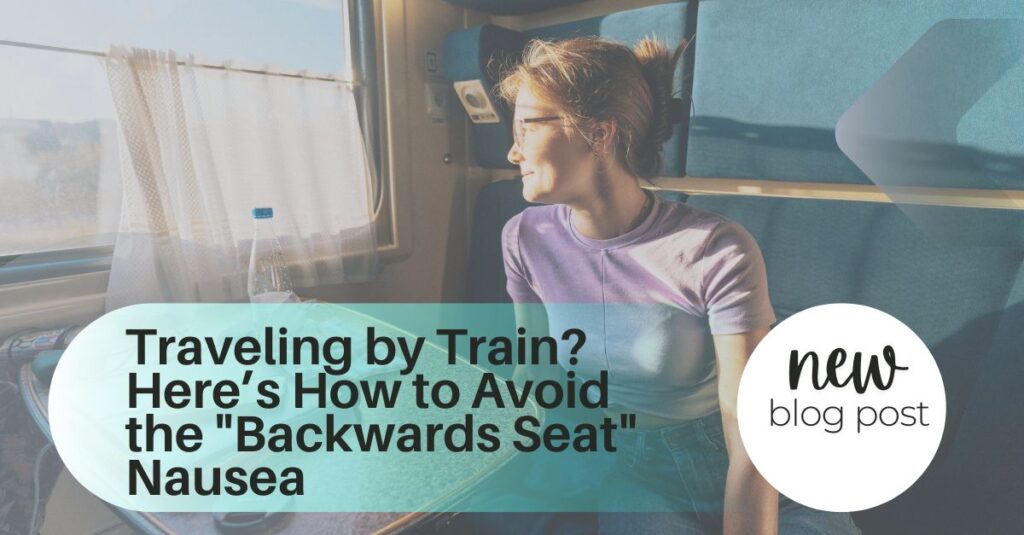
Traveling by Train? Here’s How to Avoid the “Backwards Seat” Nausea

👩‍⚕️ Medically reviewed by [Name, Qualification]
## Traveling by Train? Here’s How to Avoid the "Backwards Seat" Nausea There is something undeniably romantic about train travel—the rhythmic *clack-clack* of the tracks, the sprawling countryside views, and the ability to stretch your legs. But for many travelers, that romance ends the moment they realize their assigned seat is facing **backward**. If you are one of the millions who suffer from "rear-facing" motion sickness, a simple train commute can quickly turn into a dizzying ordeal. Here is everything you need to know about why it happens and how to stay nausea-free on the rails. --- ### Why Does Sitting Backward Make You Sick? Motion sickness (or kinetosis) on a train occurs due to a **sensory mismatch**. When you sit backward: * Your **inner ear** senses the forward momentum of the train. * Your **eyes** see the scenery receding away from you. This conflict confuses your brain, which reacts by triggering a stress response—leading to cold sweats, dizziness, and nausea. --- ### 1. The Power of the P6 Pressure Point Before you even board the train at the station, consider a drug-free preventative. Acupressure has been used for generations to calm the "sea legs" feeling associated with travel. * **The Science:** By applying steady pressure to the **P6 (Nei-Kuan)** point on your inner wrist, you can help intercept the nausea signals sent to the brain. * **The Solution:** Use **acupressure wristbands**. They are discreet, inexpensive, and unlike motion sickness pills, they won't make you drowsy—allowing you to stay awake and enjoy the scenery or get some work done. ### 2. Choose the "Middle" Carriage Just like a boat is most stable in the center, a train has "sweet spots" for stability. * **Avoid the Ends:** The cars at the very front or very back of the train often experience more "sway" and vibration. * **Aim for the Center:** Try to book a seat in a middle carriage. These cars are more heavy and grounded, providing a much smoother ride with less lateral movement. ### 3. Fix Your Gaze on the Distant Horizon When you feel the "green" feeling creeping in, stop looking at the nearby tracks or the blur of trees passing the window. * **The Fix:** Look as far out into the distance as possible. Find a distant mountain, a building, or the horizon line. * **Why it works:** The further away an object is, the "slower" it appears to move. This helps your eyes and your inner ear get back in sync. ### 4. Optimize Your Environment Train air can sometimes feel stagnant, especially in older coaches. * **Fresh Air:** If you’re on a train with windows that open, crack one slightly. If not, position yourself near the air conditioning vents. * **Stay Hydrated:** Sip on cold water or ginger ale. Avoid heavy, greasy station snacks before your journey, as an overloaded stomach is much more susceptible to motion triggers. ### 5. Use "The Forward Flip" Strategy If you find yourself in a backward-facing seat and feel sick, don’t just suffer in silence. * **The Switch:** Most trains have "unreserved" sections or cafe cars where seats might face forward. * **The Ask:** Don't be afraid to ask a fellow traveler to swap. Many people aren't affected by backward seating and are happy to help a nauseous passenger. --- ### Quick Guide: Train Travel Essentials | Remedy | Best For | Side Effects | | --- | --- | --- | | **Acupressure Bands** | Long-haul commutes | None | | **Middle Carriage Seating** | Stability & smoothness | None | | **Ginger Tablets** | Settling the stomach | Mild spice/heartburn | | **Horizon Gazing** | Immediate relief | Eye strain (if focused too hard) | --- ### Conclusion Train travel should be about the journey, not the struggle to keep your lunch down. By using a combination of **acupressure tools** and smart seating choices, you can conquer the "backwards seat" blues and enjoy the ride. **Planning your next trip?** I can help you turn this blog post into a series of **Instagram Reels scripts** or a **Pinterest infographic** to drive more traffic to your site. Would you like me to try that?

There is something undeniably romantic about train travel—the rhythmic clack-clack of the tracks, the sprawling countryside views, and the ability to stretch your legs. But for many travelers, that romance ends the moment they realize their assigned seat is facing backward.

If you are one of the millions who suffer from “rear-facing” motion sickness, a simple train commute can quickly turn into a dizzying ordeal. Here is everything you need to know about why it happens and how to stay nausea-free on the rails.

Why Does Sitting Backward Make You Sick?

Motion sickness (or kinetosis) on a train occurs due to a sensory mismatch. When you sit backward:

  • Your inner ear senses the forward momentum of the train.

  • Your eyes see the scenery receding away from you.

This conflict confuses your brain, which reacts by triggering a stress response—leading to cold sweats, dizziness, and nausea.

1. The Power of the P6 Pressure Point

Before you even board the train at the station, consider a drug-free preventative. Acupressure has been used for generations to calm the “sea legs” feeling associated with travel.

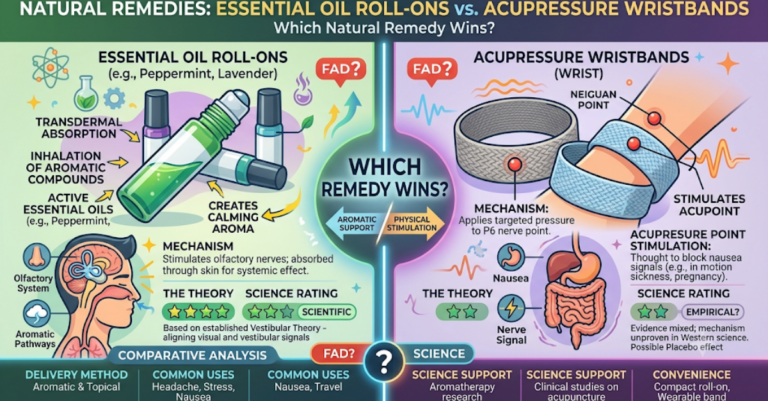
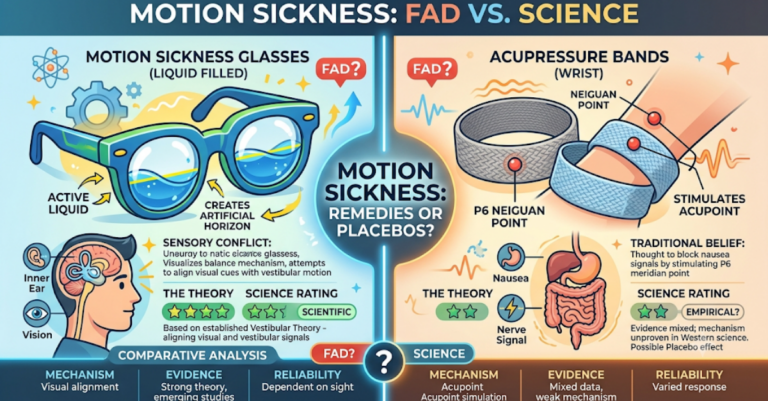
  • The Science: By applying steady pressure to the P6 (Nei-Kuan) point on your inner wrist, you can help intercept the nausea signals sent to the brain.

  • The Solution: Use acupressure wristbands. They are discreet, inexpensive, and unlike motion sickness pills, they won’t make you drowsy—allowing you to stay awake and enjoy the scenery or get some work done.

2. Choose the “Middle” Carriage

Just like a boat is most stable in the center, a train has “sweet spots” for stability.

  • Avoid the Ends: The cars at the very front or very back of the train often experience more “sway” and vibration.

  • Aim for the Center: Try to book a seat in a middle carriage. These cars are more heavy and grounded, providing a much smoother ride with less lateral movement.

3. Fix Your Gaze on the Distant Horizon

When you feel the “green” feeling creeping in, stop looking at the nearby tracks or the blur of trees passing the window.

  • The Fix: Look as far out into the distance as possible. Find a distant mountain, a building, or the horizon line.

  • Why it works: The further away an object is, the “slower” it appears to move. This helps your eyes and your inner ear get back in sync.

4. Optimize Your Environment

Train air can sometimes feel stagnant, especially in older coaches.

  • Fresh Air: If you’re on a train with windows that open, crack one slightly. If not, position yourself near the air conditioning vents.

  • Stay Hydrated: Sip on cold water or ginger ale. Avoid heavy, greasy station snacks before your journey, as an overloaded stomach is much more susceptible to motion triggers.

5. Use “The Forward Flip” Strategy

If you find yourself in a backward-facing seat and feel sick, don’t just suffer in silence.

  • The Switch: Most trains have “unreserved” sections or cafe cars where seats might face forward.

  • The Ask: Don’t be afraid to ask a fellow traveler to swap. Many people aren’t affected by backward seating and are happy to help a nauseous passenger.

Quick Guide: Train Travel Essentials

Remedy Best For Side Effects
Acupressure Bands Long-haul commutes None
Middle Carriage Seating Stability & smoothness None
Ginger Tablets Settling the stomach Mild spice/heartburn
Horizon Gazing Immediate relief Eye strain (if focused too hard)

Conclusion

Train travel should be about the journey, not the struggle to keep your lunch down. By using a combination of acupressure tools and smart seating choices, you can conquer the “backwards seat” blues and enjoy the ride.

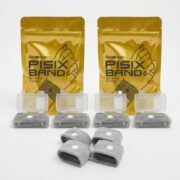
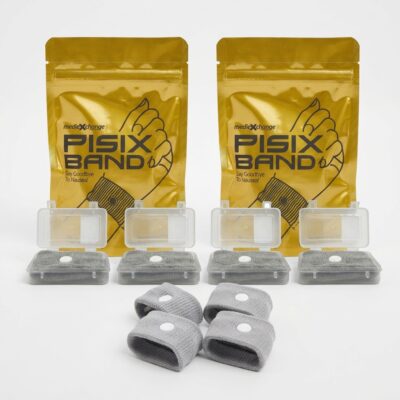
Pisix Band try karo

Drug-free, no drowsiness. 2 Pair — ₹459 · Free delivery + COD

Share karo:

Is article mein

Pisix Band — 2 Pair

₹459 ₹3,000

COD · Free delivery