🎉 FREE shipping + Cash on Delivery on every order · Dispatch in 24 hrs
🎉 FREE shipping + COD · Dispatch in 24 hrs
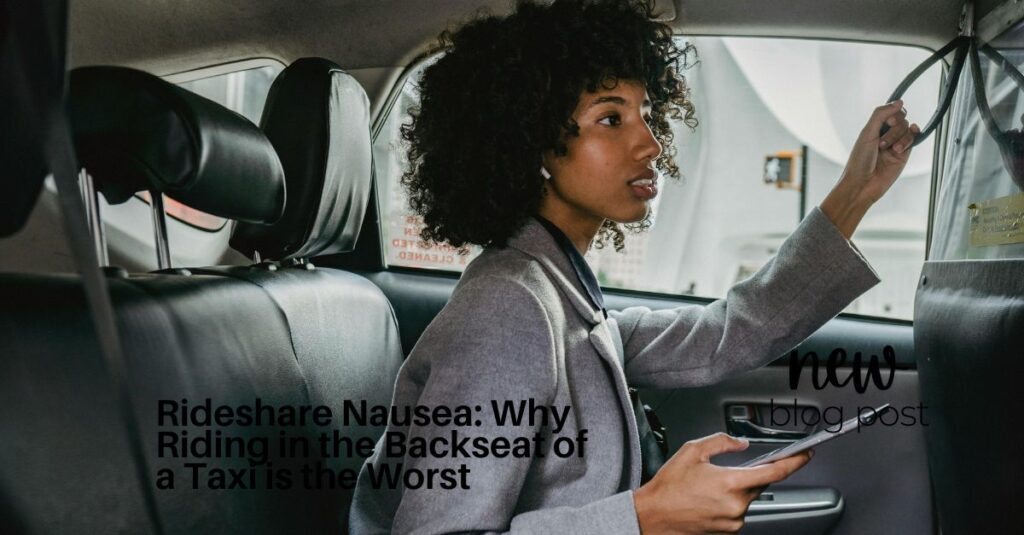
You’ve had a long day, so you decide to treat yourself and order a rideshare instead of taking the subway. The car pulls up, you slide into the backseat, and you pull out your phone to catch up on a few emails. But less than ten minutes into the ride, a familiar, dreadful feeling washes over you. Your head gets heavy, you break into a cold sweat, and your stomach ties itself into a knot.
If you rarely get car sick when you are driving, but almost always feel nauseous in the back of an Uber, Lyft, or taxi, you are not alone.
Rideshare nausea is incredibly common, and it can turn a convenient 20-minute commute into a miserable test of endurance. Here is the science behind why the backseat is the absolute worst place for motion sickness, the specific triggers lurking in taxis, and how you can naturally stop the spinning.
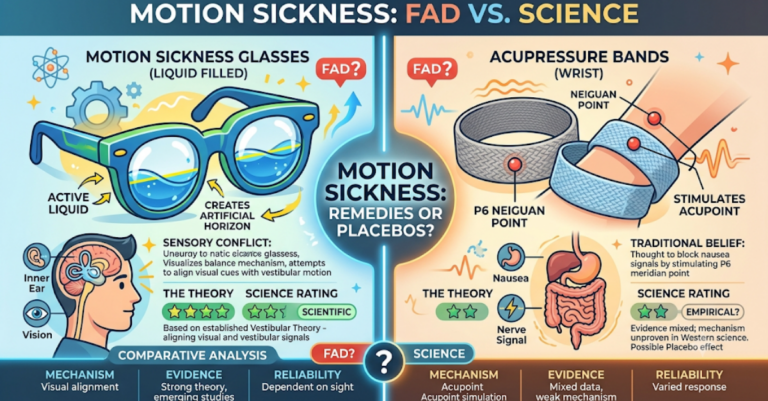
Like all motion sickness, feeling green in the back of a car boils down to a massive sensory mismatch. Your brain relies on your eyes, your inner ear (the vestibular system), and your physical muscles to understand your movement.
When you are the one driving, your brain anticipates every single turn, acceleration, and brake pedal press. Your eyes are locked on the horizon, perfectly aligning with the motion your inner ear is feeling.
The backseat strips all of that synchronization away.
When you sit in the back, the large front seats block your forward view. Instead of seeing the road, your eyes are focused on the stationary interior of the car (or the smartphone in your hand). Your visual system tells your brain: “We are sitting perfectly still.” Meanwhile, your inner ear feels the aggressive city driving and screams: “We are moving fast and unpredictably!”
Your brain panics at this conflicting data, assumes you are hallucinating, and triggers a defensive nausea response to protect you.
Beyond the basic sensory mismatch, rideshares present a unique “perfect storm” of nausea triggers that you don’t experience in your own car.
City taxis and rideshares are notorious for aggressive, erratic driving. Because they are navigating heavy traffic, dodging pedestrians, and rushing to the destination, the driving is often a chaotic mix of hard braking and sudden acceleration. Because you cannot see the road to anticipate these jolts, your inner ear is violently and repeatedly thrown off balance.
A sudden wave of a strong scent can instantly trigger the vomit reflex in a sensitive stomach. Rideshare drivers frequently use overwhelmingly strong chemical air fresheners or heavy colognes to mask the scent of previous passengers. Trapped in the back of a vehicle with recirculated air, these harsh smells quickly overload your senses and accelerate nausea.
When we aren’t driving, we instinctively look down at our screens to pass the time. Scrolling through social media or reading tiny text on a bumpy, swerving ride is the absolute fastest way to induce severe eye strain and trigger motion sickness.
If you start feeling dizzy halfway to your destination, try these immediate physical adjustments to realign your senses:
Commandeer the Airflow: A sudden drop in body temperature can shock your nervous system out of a nausea loop. Immediately crack your window for fresh air, or point the backseat AC vents directly at your face.
Look Through the Middle: Put your phone away. Shift your body so you can look straight through the gap between the driver and passenger seats. Lock your eyes on the distant road or horizon ahead of the car to give your brain a visual anchor.
Ask for a Smoother Ride: Don’t be afraid to politely ask the driver to ease up on the brakes or take the turns a little slower. Most drivers rely on good ratings and are happy to accommodate a passenger feeling ill.
If you rely on rideshares to get to work or the airport, taking an over-the-counter motion sickness pill is a terrible idea. Medications like Dramamine cause heavy drowsiness and brain fog, meaning you will arrive at your destination feeling groggy and exhausted.
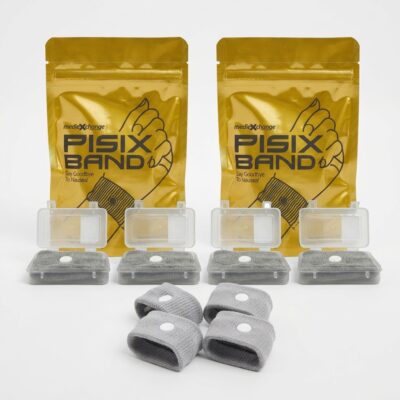
For fast, clear-headed, and discreet relief, the Pisix Band is the ultimate everyday carry item.
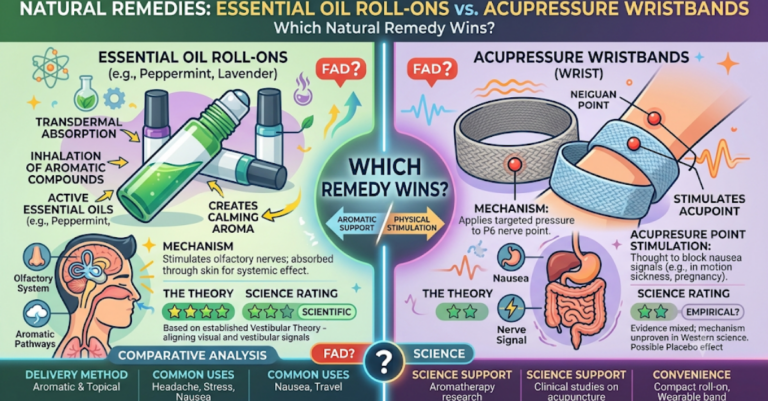
The Pisix Band is a soft, comfortable cotton wristband that uses the proven science of acupressure to settle your stomach. It features a carefully positioned stud that applies gentle, continuous pressure to the Nei-Kuan (P6) acupressure point on your inner forearm.
Stimulating this specific median nerve actively intercepts and blocks the nausea signals traveling from your confused brain to your churning stomach.
Zero Drowsiness: Because the Pisix Band is 100% drug-free, your energy levels and mental focus remain perfectly intact.
Instant Activation: You don’t have to wait 45 minutes for a pill to digest. Slip the bands on as soon as you get in the car to prevent sickness entirely, or put them on the moment the stop-and-go traffic makes you dizzy for rapid relief.
Professional and Discreet: They look exactly like low-profile athletic sweatbands. You can comfortably wear them under the sleeves of a blazer or jacket without drawing any attention.
Getting from point A to point B shouldn’t leave you feeling like you just stepped off a rollercoaster. By keeping your eyes off your phone, ensuring you have a steady stream of cool air, and keeping a pair of Pisix Bands in your pocket or purse for reliable, non-drowsy relief, you can comfortably ride in the backseat and arrive at your destination ready to tackle the day.