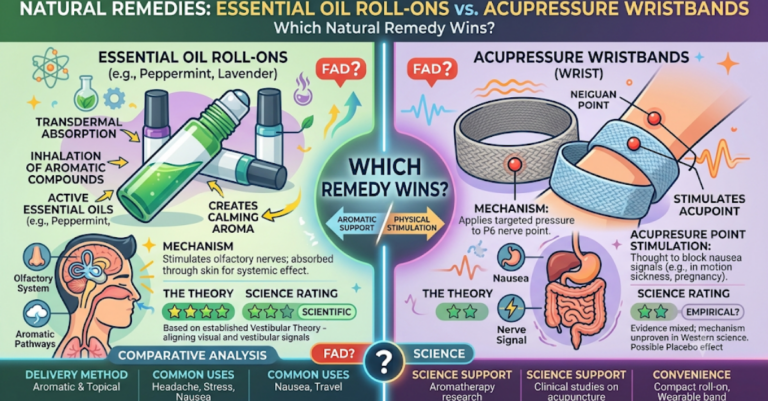
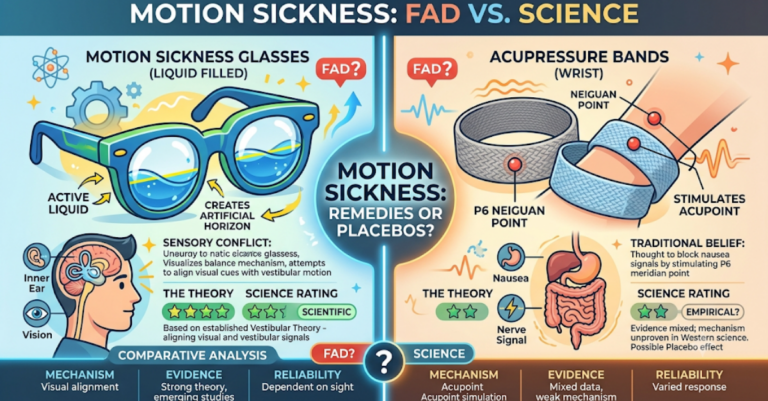
If you have ever worn a motion sickness wristband or dealt with a severe bout of nausea, you are probably familiar with the P6 (Nei-Kuan) pressure point. Located just below your wrist crease, it is the undisputed champion for settling an upset stomach and blocking nausea signals.
But your nervous system is a vast, interconnected network, and P6 is just the beginning.
Rooted in Traditional Chinese Medicine (TCM), acupressure operates on the principle that stimulating specific points along your body’s nerve pathways (meridians) can trigger a physiological response—relieving pain, calming anxiety, and restoring balance without the need for heavy medications.
If you are ready to expand your drug-free relief toolkit, here is a guide to exploring the body’s natural relief map and the most powerful acupressure points beyond P6.
1. LI4 (He Gu) — The Headache Eraser
When a tension headache strikes or you feel the physical weight of stress building in your jaw and neck, LI4 is your go-to pressure point. Also known as “Joining Valley,” this is one of the most widely used points in acupressure for upper body pain.
-
Where to find it: Look at the back of your hand. LI4 is located on the highest spot of the muscle between your thumb and index finger when you bring them close together.
-
What it treats: Tension headaches, migraines, toothaches, sinus pressure, and neck pain.
-
How to use it: Use your opposite thumb to apply deep, firm pressure to the muscle for 1 to 2 minutes while breathing deeply. Swap hands and repeat.
-
Important Note: Stimulating LI4 is known to induce labor, so this point should strictly be avoided by pregnant women.
2. ST36 (Zu San Li) — The Digestion & Energy Booster
If you are feeling sluggish, bloated, or dealing with lower intestinal cramps, ST36 (translated to “Leg Three Miles”) is considered a powerhouse point for revitalizing the body and soothing the lower digestive tract. TCM texts historically claimed that stimulating this point gave weary travelers the energy to walk three more miles.
-
Where to find it: Sit down and place your hand on your kneecap. ST36 is located about four finger-widths directly below the bottom of your kneecap, slightly toward the outside of your shin bone. You should feel a slight depression between the shin bone and the leg muscle.
-
What it treats: Indigestion, bloating, diarrhea, fatigue, and general exhaustion.
-
How to use it: Apply firm downward pressure using your index and middle fingers for 2 to 3 minutes. You can also massage the area in a slow, circular motion.
3. GB20 (Feng Chi) — The Neck Tension Release
For those of us hunched over computer screens or staring down at smartphones all day, neck tension is a constant battle. This tension frequently radiates up the back of the head, causing “cervicogenic” headaches. GB20 (“Wind Pool”) is perfectly positioned to intercept this pain.
-
Where to find it: Clasp your hands behind your head and use your thumbs to feel the base of your skull. GB20 consists of two points located in the parallel hollows (depressions) at the top of your neck, just outside the thick vertical neck muscles.
-
What it treats: Stiff neck, tension headaches, blurry vision from eye strain, and cold symptoms.
-
How to use it: Press both thumbs firmly upward into the hollows at the base of your skull. Lean your head back slightly into your thumbs to increase the pressure, and hold for 1 to 2 minutes while taking slow, deep breaths.
Returning to the Anchor: P6 and the Pisix Band
While exploring these additional points is fantastic for managing systemic tension and pain, when it comes to acute nausea, dizziness, and stomach spasms, the P6 point remains the undisputed king of the relief map.
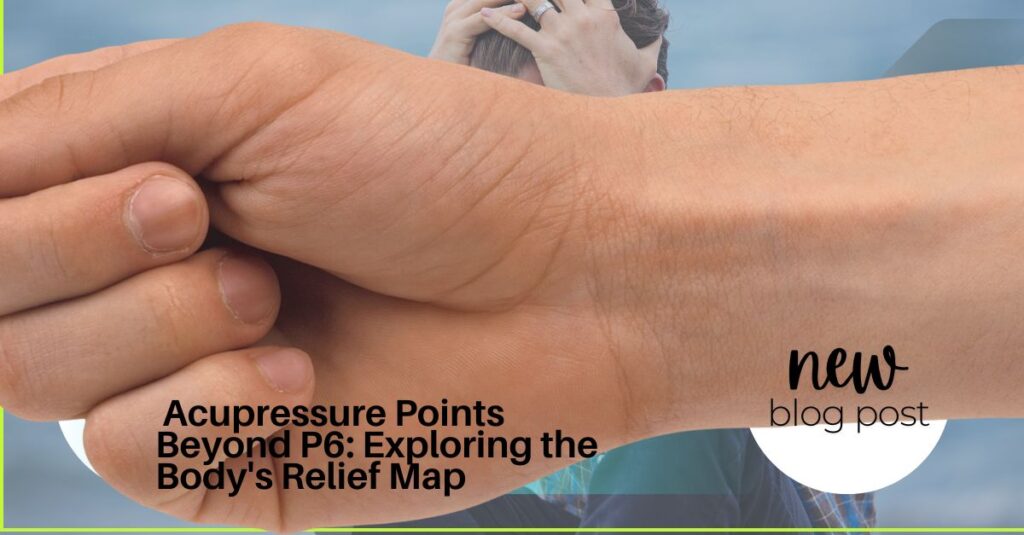
Located three finger-widths below the wrist crease between the two central tendons, P6 sits directly over the median nerve. Stimulating this point is scientifically proven to intercept the distress signals traveling between your brain and your gut.
However, unlike a quick headache that you can massage away in two minutes, motion sickness, morning sickness, and anxiety nausea require sustained, continuous pressure to keep the stomach settled.
This is where the Pisix Band comes in.
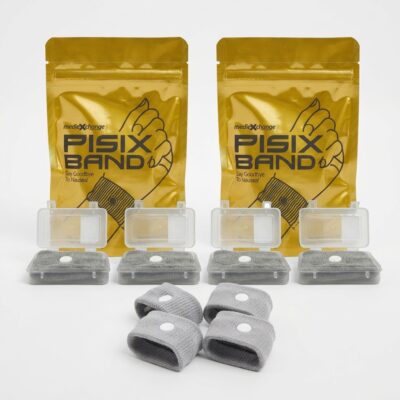
Instead of trying to manually hold your own wrists for a three-hour car ride or during a full day of chemotherapy, the Pisix Band does the work for you. Made from a breathable, comfortable cotton blend, it features a built-in precision stud that applies the exact right amount of continuous pressure to the P6 point.
-
Hands-Free Relief: Allows you to work, travel, and sleep without interrupting the anti-nausea nerve stimulation.
-
Drug-Free: Bypasses the heavy drowsiness and brain fog associated with traditional antiemetics.
-
Complementary: Because it is entirely physical, you can safely wear the Pisix Band while simultaneously using other acupressure points (like LI4 for a headache) to manage multiple symptoms at once.