Nausea is rarely just a “stomach bug.” Whether you are dealing with motion sickness in the back of an Uber, morning sickness, or a sudden wave of anxiety, the urge to vomit is almost always triggered by your brain, not your belly.
When your brain panics—due to stress, conflicting sensory signals, or spinning inner ear fluid—it sends a distress signal straight down to your digestive tract, causing it to spasm. To stop the nausea, you have to intercept that signal. The fastest, most effective way to do this is by hacking your body’s internal superhighway: the vagus nerve.
Here is the fascinating biology behind how the vagus nerve controls your stomach, and the best drug-free ways to instantly stimulate it for rapid relief.
What is the Vagus Nerve?
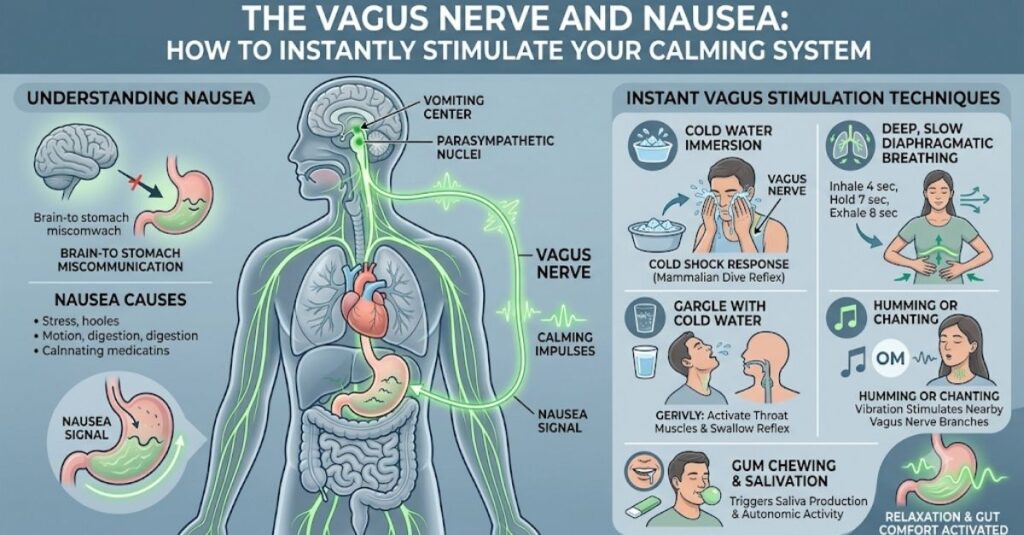
The vagus nerve (cranial nerve X) is the longest and most complex of the cranial nerves. It acts as the primary control center for your parasympathetic nervous system—often referred to as the “rest and digest” system.
It runs from your brainstem, down through your neck, and branches out to touch almost every major organ in your body, including your heart, lungs, and stomach.
When your vagus nerve is highly active (high vagal tone), your heart rate is slow, your breathing is deep, and your digestive tract processes food smoothly.
Why Nausea is a “Fight or Flight” Response
When you experience a sensory mismatch (like reading in a moving car), your brain assumes you are in physical danger. It instantly shuts down the vagus nerve and activates your sympathetic nervous system—the “fight or flight” response.
When “rest and digest” is turned off, your body prepares for an emergency:
-
Blood is diverted away from your stomach and pushed into your muscles.
-
Digestion completely stops (gastric stasis).
-
The muscles in your stomach wall begin to spasm.
This sudden halt in digestion and the ensuing spasms are exactly what causes the cold sweats, the heavy stomach, and the sudden urge to vomit. To reverse this, you have to manually turn the vagus nerve back on.
3 Ways to Instantly Stimulate the Vagus Nerve
You do not need medication to shift your body back into “rest and digest” mode. You can physically stimulate the vagus nerve using these three targeted techniques:
1. Cold Water Exposure (The Mammalian Dive Reflex)
Because the vagus nerve runs right behind your face and neck, sudden exposure to cold water instantly shocks the nerve into activation, rapidly dropping your heart rate and halting stomach spasms.
2. Deep Diaphragmatic Breathing
Short, shallow chest breaths keep you locked in “fight or flight.” Expanding your belly physically massages the vagus nerve as it passes through your diaphragm.
3. Humming or Singing
The vagus nerve is deeply connected to your vocal cords and the muscles at the back of your throat.
-
How to do it: If you feel a wave of nausea building, try humming a low-frequency tune or even gargling water. The physical vibration in your throat stimulates the nerve fibers, signaling to your brain that you are safe.
The Ultimate Vagus Nerve Hack: Acupressure
Breathing exercises and cold water are great for a sudden wave of nausea, but if you are facing a long road trip or an all-day bout of morning sickness, you need a way to keep the parasympathetic nervous system engaged continuously.
The most effective, hands-free way to maintain this calming signal is with acupressure.
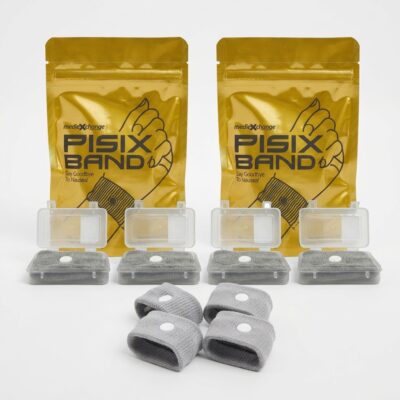
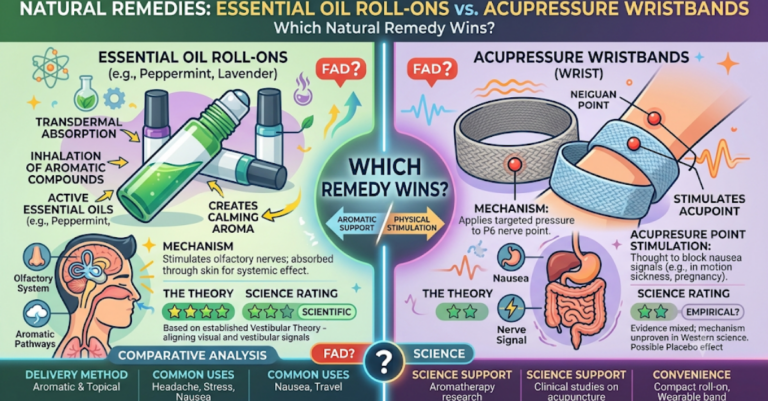
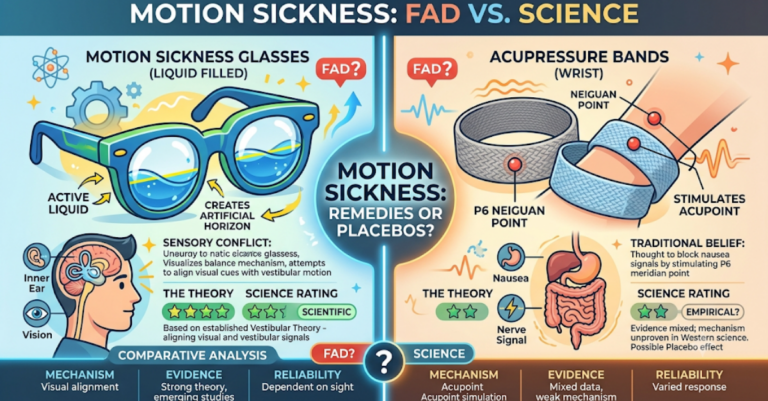
By wearing a Pisix Band, you can safely and continuously intercept nausea signals. Engineered by Mediexchange, the Pisix Band is a comfortable, stretch-fit cotton wristband featuring a built-in precision stud. This stud applies gentle, continuous pressure to the Nei-Kuan (P6) acupressure point on your inner forearm.
Stimulating this specific median nerve directly communicates with your central nervous system, effectively mimicking the effects of vagus nerve stimulation to keep your stomach settled and your heart rate calm.
-
Zero Drowsiness: Because it is 100% chemical-free, you retain your sharp focus and energy without the heavy brain fog caused by traditional antihistamine motion sickness pills.
-
Effortless Integration: You can slip the bands on while simultaneously doing deep breathing exercises, allowing both natural remedies to work in perfect synchronization.
-
E-Commerce Ready: Packaged efficiently in a compact 16.5x10x2 cm box, the bands are optimized for rapid logistics. Whether you are stocking up for a trip nationwide via Amazon FBA or grabbing them locally in Indore through 10-minute quick-commerce apps like Blinkit, reliable, drug-free relief is always within reach.
Conclusion
You do not have to be a victim of a panicked nervous system. By understanding how the vagus nerve controls your digestion, practicing targeted stimulation techniques, and relying on the continuous, non-drowsy relief of the Pisix Band, you can hit the override switch on nausea and take back your day.